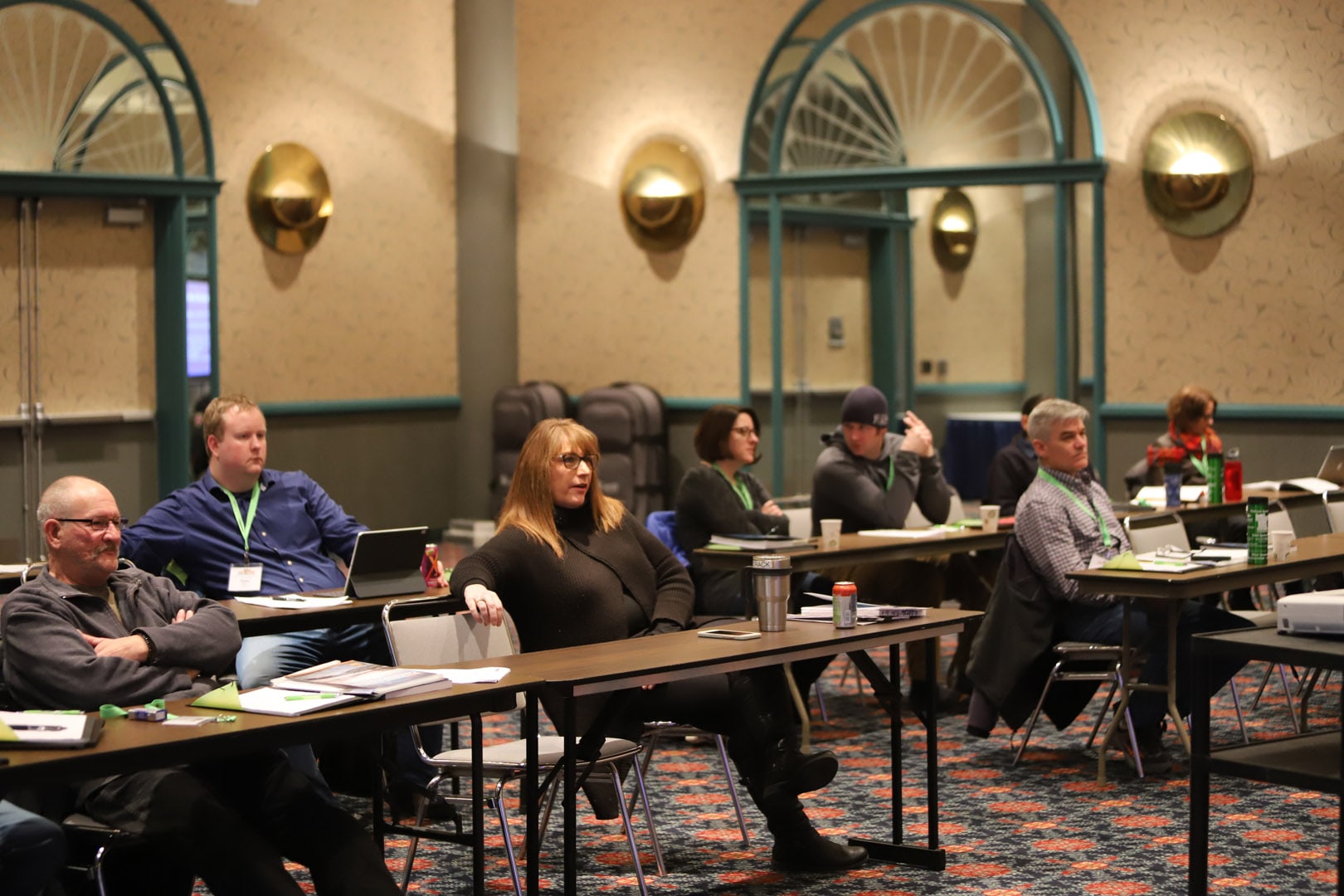
People at the conference sitting at tables listening to speakers.

2026 Schedule & Agenda

Conference Information

We are looking forward to putting together a fabulous lineup of sessions for our attendees for the 2026 conference. The AEMSA Conference Planning Committee has started working diligently to provide you an opportunity to engage with industry experts from all parts of the nation. Please come visit the site again soon with updates on our speaker and presentation selections.

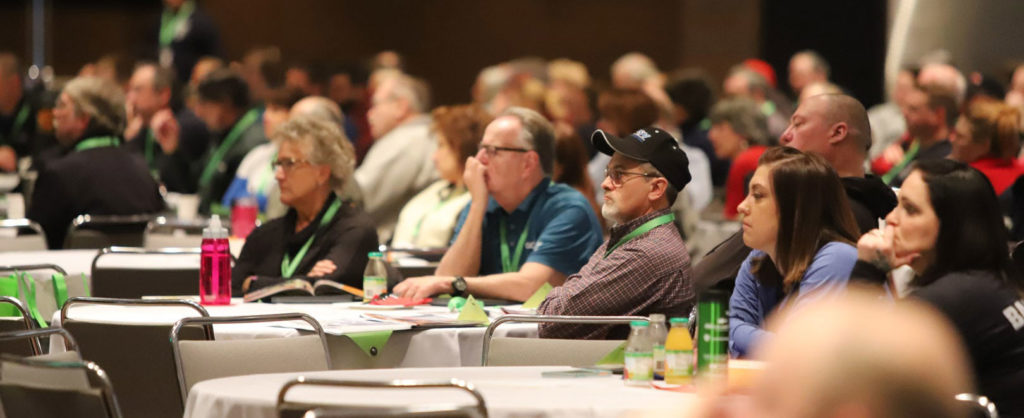
Attendees of the Arrowhead EMS Conference & Expo.

The 45th Annual Arrowhead EMS Conference and Expo is coming soon on January 21st through the 25th 2026. Get ready for insightful discussions, networking opportunities with industry leaders, and exciting presentations from top experts.

You won’t want to miss it!

2026 Full Schedule (In Progress)

Wednesday, January 21, 2026

Anatomy Lab and Virtual Reality Lab Combined (1 Full Day) - Wednesday

  • UMD Medical School and Lake Superior Ballroom O
  • Brandon Drazich
  • Melissa Kohn
  • Pete Tanghe
A combined anatomy lab with airway, limbs, etc... Read More and virtual reality lab uses the traditional dissection lab and virtual reality to provide a comprehensive learning experience. Attendees first work with physical parts of the cadavers to learn from, then transition to a VR lab to digitally manipulate and explore the same structures in an interactive, 3D environment. This integration allows attendees to virtually peel back layers, isolate structures, and zoom into details like never before, enhancing comprehension and providing a deeper understanding of anatomy that complements the physical dissection.

EMT Refresher (Day 1 of 2)

  • Gooseberry Falls Room
  • Lucas Goodin
This course is designed to meet the National Continued Competency Requirements (NCCR) that meets the current MN and NREMT requirements to maintain your EMT license... Read More During this refresher you will be provided with interactive discussions as well as hands on applications of your skills in live scenarios including moulage victims. You will still be required to get your additional 20 hours of you State/Local and Individual hours. This course does not cover any of these additional hours.

Lunch

Self-Defense for EMS Personnel - Wednesday

  • Lake Superior Ballroom L
  • Mike Gau
  • Sean Gilman
  • Marlyn Halvorson
  • Scott Peterson
  • Tony Yeley
This course is designed specifically for emergency medical personnel to address situations they may encounter with their patients or clients... Read More The course will include situational awareness, de-escalation, basic blocking and avoidance techniques. Self-defense techniques will be covered in the event an EMS worker is grabbed or attacked in various ways. Questions from those attending will be encouraged to maximize the usefulness of the course for those in attendance.

Beyond the Call: Supporting Older Adults and Caregivers in Community - Wednesday (FREE-DOES NOT INCLUDE LUNCH)

  • French River Room
  • Lori Kangas-Olson
  • Jess Langer
  • Jenna Pogorels
  • Brenda Schafer Pellinen
This comprehensive training equips first responders with specialized knowledge and practical skills essential for effectively serving older adults and caregivers within our community... Read More Participants will gain critical awareness of elder abuse warning signs and prevention strategies, learn evidence-based approaches for interacting with individuals diagnosed with dementia, discover best practices for age-sensitive community response, and develop proficiency in connecting clients to vital community resources and support networks. Through real-world scenarios and expert guidance, this program enhances your ability to provide compassionate, informed care while strengthening the connections between emergency services and the aging community members they serve.(This class only does not include DECC lunch)
Thursday, January 22, 2026

Advanced Stroke Life Support – Prehospital Provider Course

  • Board Room
  • Ty Wiegman
4 hours of pre-course work is required!!! The AHA Advanced Stroke Life Support (ASLS) Prehospital Provider Course, developed with the University of Miami’s Gordon Center, prepares EMS professionals and first responders to rapidly recognize, assess, and manage patients experiencing acute stroke... Read More Through an adaptive online learning module and instructor-led skills evaluation, participants learn to apply stroke screening tools, activate stroke alerts, and communicate critical information to receiving facilities for faster, more effective care. This course supports prehospital teams in delivering the current standard of care and meeting education requirements for Stroke Center Certification. Learning ObjectivesUpon completion of the Prehospital Provider Course, participants will be able to:Recognize signs and symptoms of stroke using validated prehospital stroke screening and severity scales.Initiate and prioritize prehospital interventions that support early stroke identification, stabilization, and rapid transport to an appropriate facility.Communicate effectively with emergency department personnel using structured reporting to support timely stroke team activation and continuity of care.

Anatomy Lab and Virtual Reality Lab Combined (1 Full Day) - Thursday

  • UMD Medical School and Lake Superior Ballroom O
  • Brandon Drazich
  • Melissa Kohn
  • Pete Tanghe
A combined anatomy lab with airway, limbs, etc... Read More and virtual reality lab uses the traditional dissection lab and virtual reality to provide a comprehensive learning experience. Attendees first work with physical parts of the cadavers to learn from, then transition to a VR lab to digitally manipulate and explore the same structures in an interactive, 3D environment. This integration allows attendees to virtually peel back layers, isolate structures, and zoom into details like never before, enhancing comprehension and providing a deeper understanding of anatomy that complements the physical dissection.

EMT Refresher (Day 2 of 2)

  • Gooseberry Falls Room
  • Lucas Goodin
This course is designed to meet the National Continued Competency Requirements (NCCR) that meets the current MN and NREMT requirements to maintain your EMT license... Read More During this refresher you will be provided with interactive discussions as well as hands on applications of your skills in live scenarios including moulage victims. You will still be required to get your additional 20 hours of you State/Local and Individual hours. This course does not cover any of these additional hours.

Self-Defense for EMS Personnel - Thursday

  • Lake Superior Ballroom L
  • Mike Gau
  • Sean Gilman
  • Marlyn Halvorson
  • Scott Peterson
  • Tony Yeley
This course is designed specifically for emergency medical personnel to address situations they may encounter with their patients or clients... Read More The course will include situational awareness, de-escalation, basic blocking and avoidance techniques. Self-defense techniques will be covered in the event an EMS worker is grabbed or attacked in various ways. Questions from those attending will be encouraged to maximize the usefulness of the course for those in attendance.

Lunch 2

Advanced Stroke Life Support – In-Hospital Provider Course

  • Board Room
  • Ty Wiegman
The AHA Advanced Stroke Life Support (ASLS) In-Hospital Provider Course is designed for nurses, physicians, and other healthcare professionals involved in the evaluation and treatment of stroke patients in hospital settings... Read More Developed in partnership with the University of Miami’s Gordon Center, this blended learning course combines online instruction with hands-on skills assessment to strengthen proficiency in acute stroke management, diagnostic evaluation, and post-acute care planning. The course aligns with Stroke Center Certification standards and emphasizes multidisciplinary collaboration for improved outcomes.Learning ObjectivesUpon completion of the In-Hospital Provider Course, participants will be able to:Conduct focused neurologic assessments to differentiate ischemic and hemorrhagic stroke presentations.Apply evidence-based treatment goals for acute stroke management, including timely interventions and secondary prevention strategies.Collaborate across disciplines to coordinate care, ensure efficient stroke alert activation, and support patient recovery from admission through discharge.

Engage, Simulate, Debrief: A Practical Refresher for EMS Educators

  • Lake Superior Ballroom M,N
  • Matt Ashmore
  • Grace Clennon
  • Geoffrey Galaski
  • Linda Palcich-Wald
  • Alyssa Richards
  • Tiffany Zemke
This interactive four-hour refresher course is designed for EMS educators who want to elevate their teaching skills, refresh foundational best practices, and explore new techniques for creating engaging, realistic learning environments... Read More Participants will learn through a mix of demonstration, hands-on participation, and scenario-based discussion led by experienced instructors. From designing and delivering effective simulations to refining feedback techniques and adding realism through moulage, this session offers both practical tools and creative inspiration. Whether you teach new EMT students or seasoned paramedics, you’ll leave with new ideas, strategies, and confidence to make your next training session more impactful.

Beyond the Call: Supporting Older Adults and Caregivers in Community - Thursday (FREE-DOES NOT INCLUDE LUNCH)

  • French River Room
  • Lori Kangas-Olson
  • Jess Langer
  • Jenna Pogorels
  • Brenda Schafer Pellinen
This comprehensive training equips first responders with specialized knowledge and practical skills essential for effectively serving older adults and caregivers within our community... Read More Participants will gain critical awareness of elder abuse warning signs and prevention strategies, learn evidence-based approaches for interacting with individuals diagnosed with dementia, discover best practices for age-sensitive community response, and develop proficiency in connecting clients to vital community resources and support networks. Through real-world scenarios and expert guidance, this program enhances your ability to provide compassionate, informed care while strengthening the connections between emergency services and the aging community members they serve.(This class only does not include DECC lunch)

Advanced Stroke Life Support – Prehospital Provider Course (Repeat Course))

  • Board Room
  • Ty Wiegman
4 hours of pre-course work is required!!! The AHA Advanced Stroke Life Support (ASLS) Prehospital Provider Course, developed with the University of Miami’s Gordon Center, prepares EMS professionals and first responders to rapidly recognize, assess, and manage patients experiencing acute stroke... Read More Through an adaptive online learning module and instructor-led skills evaluation, participants learn to apply stroke screening tools, activate stroke alerts, and communicate critical information to receiving facilities for faster, more effective care. This course supports prehospital teams in delivering the current standard of care and meeting education requirements for Stroke Center Certification. Learning ObjectivesUpon completion of the Prehospital Provider Course, participants will be able to:Recognize signs and symptoms of stroke using validated prehospital stroke screening and severity scales.Initiate and prioritize prehospital interventions that support early stroke identification, stabilization, and rapid transport to an appropriate facility.Communicate effectively with emergency department personnel using structured reporting to support timely stroke team activation and continuity of care.
Friday, January 23, 2026

REGISTRATION

CONFERENCE WELCOME - Adam Shadiow, Executive Director, Arrowhead EMS Association

KEYNOTE: Critical Care Evacuation During Operation Allies Reguge, Kabul Afghanistan

  • Lake Superior Ballroom (Main Dining Hall)
  • Katie Lunning
Minnesota guardsmen’s experience as a routine deployment as a critical care air transport nurse becomes a historic event including evacuation of Americans and Afghans and a first responder to the bombing at Abbey Gate, Kabul... Read More These events led to this team being awarded the Distinguished Flying Cross, Katie was the first air national guard nurse to receive this award.

Expo only Friday registration

EXHIBITS

Friday (1/23/26) Hands on Approach to Trauma Care (All Day Class)

  • Gooseberry Falls Room
  • Jason Dush
  • Lucas Goodin
This class is designed to give you an opportunity to apply all the assessments and skills needed to manage your trauma and medical patients... Read More This is an all day class and attendance for the whole day is required. Throughout the day you will be rotating between different stations that are designed to challenge you while working in the controlled environment. (Limit 45) (ALL DAY CLASS)

BLS SIM Challenge - Brad Zinniel (All Day Class) - Friday

  • Edmund Fitzgerald Hall
  • Neal Stocker
  • Martin Sullivan
  • Marvin Sullivan
  • Brad Zinniel

Highway Safety for Emergency Responders

  • French River Room
  • John McClellan
Motor vehicle crashes continue to be a leading cause of traumatic death and injury   to police, fire and EMS workers every year... Read More View examples of common crash causes recorded from MNDOT's traffic   cameras and learn methods to protect yourself and where EMS fits in setting up a safer scene at highway and freeway incidents.

Lost in the OB Desert

  • Lake Superior Ballroom M,N
  • Johanna Thompson
The session will examine the impact of OB deserts, presenting alarming statistics and discussing the systemic loss of maternal healthcare services... Read More To improve outcomes, we will explore solutions such as robust EMS guidelines, structured flowcharts, continuing education through simulated scenarios, and the integration of telehealth for real-time medical direction. Participants will leave with actionable strategies to enhance their preparedness and response to obstetric emergencies. A Q&A and wrap-up discussion will conclude the session.

STEMI…Staying Current, Staying Focused and Saving Lives

  • Lake Superior Ballroom O
  • Richard Mullvain
Heart disease remains the #1 cause of death in America and the world... Read More STEMI heart attacks continue to be one of the most time critical challenges that EMS is faced with. There are still plenty of opportunities for improvement. Whether you are new to EMS, or a seasoned veteran, there is always something more to learn about optimizing STEMI care.   Richard was the co-chair of the Minnesota Mission:Lifeline STEMI project, and has 19 publications related to heart attack care.  This fun presentation will cover the essential pieces of the new national ACS guidelines, local STEMI protocols and research. Participants will also review basic STEMI recognition on 12-Lead ECG, and an interesting look at several STEMI case studies from our region, with many lessons to learn and pearls to take back to your practice. This will be both an entertaining and enlightening presentation that will hopefully educate and motivate you to provide better heart attack care with confidence!  

The Curtain Falls Rescue Mission, May, 2024

  • Lake Superior Ballroom L
  • Rick Slatten
The rescue and recovery mission at Curtain Falls in the Boundary Waters Canoe Area (BWCA) ranked among the most complex and challenging missions in Rescue Squad history... Read More   This presentation will discuss the chronology of the 18-day event, logistical and operational challenges, lessons learned, and provide insight into the strategy, tactics, and search theory involved in managing and performing a complex SAR mission deep in the wilderness.

Break

Car Seat 101 for First Responders

  • French River Room
  • Monte Fronk
  • Dex Tuttle
From the initial 911 call to transport, this session will cover preplanning, scene size up, recognizing car seat types, extrication suggestions, and strategies for removing the child post-crash... Read More The session will include hands-on learning with multiple car seats and scenarios. This session will describe what to do when a child is in a car seat and is involved in a car crash. Presenters will discuss when to remove the child from the seat, the most effective and efficient ways to extract a child from a car seat with a harness if needed, and will engage in brief discussion about transportation in an ambulance. 

Drugs of Abuse Update

  • Lake Superior Ballroom O
  • Kirk Hughes
This presentation will identify, list effects and discuss treatment options of the most current drugs of abuse trends... Read More What the heck is gas station heroin? Come and find out.

Suspect Sepsis, Save Lives

  • Lake Superior Ballroom M,N
  • Danyelle Fenner
  • Josh Honeyman
Sepsis is a common yet deadly medical condition, and is the single largest contributor to hospital deaths... Read More EMS are often the first team members engaging with these patients as the majority of these cases originate in the community, and additionally are often transferring some of our sickest patients to higher levels of care after initial stabilization. Early initiation of antibiotics and restoration of blood pressure is proven to save lives in septic patients and as such EMS can be hugely impactful on morbidity and mortality outcomes for sepsis patients. This presentation aims to help support our EMS colleagues in providing best practice management of sepsis in the pre-hospital and transfer environments given the critical importance of that time. 

What's a CHEMPACK and Why First Responders Need to Know

  • Lake Superior Ballroom L
  • Andy Klitzke
An incident involving a nerve agent requires quick recognition and administration of anti-nerve agent medications to preserve the health of those affected and on-scene responders... Read More The CHEMPACK Program stages Federal caches of anti-nerve agents across Minnesota and is coordinated by the MN Department of Health. CHEMPACK caches are designed for rapid deployment to hospital emergency departments and EMS during any incident where the need for anti-nerve agents is greater than the local supply. EMS and first responders need to be able to recognize the possible presence of nerve agents and how to begin a CHEMPACK response.• Describe MN CHEMPACK anti-nerve agent program• Understand roles and responsibilities of EMS responders during a nerve agent incident• Identify and communicate need for anti-nerve agents at a scene• Understand how CHEMPACK anti-nerve agents are administered and managed during a mass casualty nerve agent incident

Lunch/Exhibits

Arresting Resuscitation; handcuffing the mindset in cardiac arrest

  • French River Room
  • Kevin Rixmann
This presentation provides an integrated overview of modern cardiac arrest management, highlighting current resuscitation science and evidence-based strategies that improve survival and neurological outcomes... Read More It explores the role of advanced interventions, including extracorporeal cardiopulmonary resuscitation (ECPR), and outlines patient selection, timing, and system requirements for success. The discussion also examines the critical contribution of helicopter transport in reducing time to definitive care and enabling access to specialized cardiac arrest centers. Finally, the presentation emphasizes the importance of coordinated clinical, transport, and post-resuscitation support systems in optimizing outcomes across the entire chain of survival

Ding Dong the Witch is Dead

  • Lake Superior Ballroom L
  • Matt Ashmore
  • Ty Wiegman
Giving Field Death Notifications... Read More  Learn and organize death notification using the “GRIEV_ING” mnemonic-Having Brains Communicate using empathetic skills-Having a HeartPractice delivering a death notification using “GRIEV_ING”-Having CourageLearn resilience for future incidents- Having the Power to Go Home

Pediatric Sepsis, Are You Prepared?

  • Lake Superior Ballroom M,N
  • Johanna Thompson
Pediatric sepsis remains a leading cause of morbidity and mortality in children, and timely EMS recognition and intervention are critical to improving outcomes... Read More This session equips prehospital providers with the knowledge and tools to identify early signs of sepsis, even when symptoms are subtle or atypical.Participants will explore pediatric-specific clinical presentations, review current evidence-based management strategies—including fluid resuscitation and ventilation support—and discuss the pathophysiology behind sepsis progression. Emphasis will be placed on age-appropriate assessment techniques, effective decision-making in the field, and practical ventilation strategies to prevent respiratory failure.Identify early signs and symptoms of pediatric sepsis in the prehospital setting.Apply appropriate prehospital assessment and management strategies for pediatric sepsis.Demonstrate appropriate ventilation strategies for pediatric patients with sepsis.

Radiation 101

  • Lake Superior Ballroom O
  • Kirk Hughes
This presentation will review various types of radiation (i... Read More e. Alpha, beta, gamma, etc.) and discuss the differences between ionizing and non-ionizing radiation.  This is a high-level overview of identifying, treating and seeking resources for treatment of the exposed patient.  We will review a few cases taken by the Minnesota Regional Poison Center from 1st call to final resolution of the case.  

EXHIBITS (Refreshment)

Airway First-Tackling Challenging Facial Trauma Case Studies - Friday

  • Lake Superior Ballroom M,N
  • Allen Wolfe
Facial trauma accompanied by airway compromise presents a critical challenge in emergency medicine, requiring timely and well-coordinated intervention... Read More This session explores the unique difficulties posed by facial injuries and their impact on airway management. Key topics include rapid assessment, decision-making in high-stress environments, and adherence to resuscitation guidelines. The presentation will also review both foundational and advanced techniques for securing the airway while addressing the functional and aesthetic considerations of facial trauma. Emphasis will be placed on the integration of current technologies and evidence-based practices to support effective and safe patient care.

Don't Munch on a Hunch

  • Lake Superior Ballroom O
  • Kirk Hughes
This presentation will discuss plant and mushrooms that are edible, mildly poisonous and significantly poisonous... Read More   Did you know there are two distinct types of Nightshade, but only one native to the US? Can you eat stinging Nettles? Are there mushrooms in Minnesota that can cause death?? This presentation will cover it all. 

Millimeters Any Direction

  • French River Room
  • Shane Troumbly
Sometimes the difference between life and death is measured in millimeters... Read More This session examines an extraordinary pediatric trauma case in which a 10-year-old sustained a penetrating neck injury after a sledding incident involving a length of rebar. Despite a high-risk trajectory through the neck and exiting near the base of the skull, rapid assessment, calm scene management, and coordinated decision-making by first responders, fire personnel, and air medical teams resulted in a remarkable outcome. With vital structures such as the jugular vein, trachea, and brainstem only millimeters away, this case underscores how small deviations in penetrating injury paths can have catastrophic consequences. Participants will walk through incident chronology from the initial 911 call through definitive care, including scene safety, patient stabilization with impaled objects in place, interagency communication, risk-benefit considerations around on-scene rebar cutting, and transport decision-making. Discussion will highlight the use of a hydraulic cutting tool, air medical involvement, and transfer to definitive surgical care at a tertiary trauma center. This case-based session will emphasize:airway, breathing, and circulation priorities in penetrating neck traumawhy “millimeters matter” in anatomic injury patternssafe management of impaled objects and field immobilization strategiesdecision-making under uncertainty and interagency collaborationpediatric considerations in high-risk trauma This presentation will include contributions from responding agencies and receiving hospital partners and will reinforce principles that can be applied to future low-frequency, high-consequence incidents.
Saturday, January 24, 2026

REGISTRATION 2

CONFERENCE WELCOME - Adam Shadiow, Executive Director, Arrowhead EMS Association - 2

KEYNOTE: Still in Service: How a Career-Ending Injury Initiated a New Beginning

  • Dr. Alexandra Jabr
We expect trauma to come from that terrible call- the drowning, the pediatric arrest, the MCI... Read More But sometimes, it sneaks up on you when the calls stop altogether. What happens when the job you’ve built your entire life around is taken from you in an instant? For Dr. Alexandra Jabr, a career-ending back injury didn’t just end her time on the rig, it cracked open a lifetime of everything she had been holding together. In this raw and honest keynote, she shares the moment that forced her to stop and finally face the trauma she had been carrying long before jumping on an ambulance. This isn’t a story about getting back to the rig. This is a story of pain, identity loss, maladaptive coping, and the slow, uneven path to healing. It’s about discovering who you are when the uniform comes off and how losing what you thought defined you can become the beginning of your next chapter in service.

Expo only Saturday registration

Exhibits 2

Airway First-Tackling Challenging Facial Trauma Case Studies - Saturday

  • Lake Superior Ballroom M,N
  • Allen Wolfe
Facial trauma accompanied by airway compromise presents a critical challenge in emergency medicine, requiring timely and well-coordinated intervention... Read More This session explores the unique difficulties posed by facial injuries and their impact on airway management. Key topics include rapid assessment, decision-making in high-stress environments, and adherence to resuscitation guidelines. The presentation will also review both foundational and advanced techniques for securing the airway while addressing the functional and aesthetic considerations of facial trauma. Emphasis will be placed on the integration of current technologies and evidence-based practices to support effective and safe patient care.

Anatomy of an Active Threat: EMS Response

  • Lake Superior Ballroom O
  • Tyler Lupkes
  • Nick Simpson
This peer-review style presentation will reflect on the EMS response to the August 27, 2025, active threat that occurred at the Annunciation Church and School in Minneapolis... Read More From the perspective of EMS Command and on-scene Medical Direction, we will chronologically unpack the EMS response, describing strategic and tactical decision making during the first thirty minutes. This includes a regional incident response plan, the Medical Resource Control Center and patient-load leveling, prolonged operations, and reunification. The presentation concludes with remarks about what happens after an incident of this nature; the journey through post-event healing.

BLS SIM Challenge - Brad Zinniel (All Day Class) - Saturday

  • Edmund Fitzgerald Hall
  • Neal Stocker
  • Martin Sullivan
  • Marvin Sullivan
  • Brad Zinniel

Is It a "Stroke Code" or a "Stroke Zebra"

  • French River Room
  • Joan Somes
If it walks like a stroke and talks like a stroke - is it necessarily a stroke?  Your patient is suddenly experiencing a change in ability to speak, move an arm... Read More walk, see,  think clearly, or is very dizzy. Is this a stroke, or a "zebra" that presents like a stroke?  During this interactive session participants will be presented with case-based scenarios where the patients had sudden neurological deficits - several had symptoms that were not typical for a "classic stroke, but could have been - or were they? Come learn about "other" symptoms a patient may present with that may end up being a stroke or is it a "stroke zebra".

Labor and Delivery, This is Not What I Signed Up For

  • Gooseberry Falls Room
  • Lucas Goodin
Labor and delivery is one of the most natural processes we may encounter in the medical field... Read More Why is it one of the most feared calls? Let’s dive into the normal physiological changes that occur during pregnancy to both the mother and neonate. We will discuss assessment and treatments associated with routine and complicated deliveries.

Ready for Rare: What Every First Responder Needs to Know About High-Consequence Infectious Diseases

  • Lake Superior Ballroom L
  • Alison Galdys
High-consequence infectious diseases (HCIDs) are rare, but their impact on responders, healthcare systems, and communities can be profound... Read More Ready for Rare: What Every First Responder Needs to Know About High-Consequence Infectious Diseases equips participants with the knowledge and confidence to respond safely and effectively when faced with emerging or uncommon pathogens such as Ebola, MERS, or novel influenza strains. This session covers recognition, personal protective measures, scene safety, patient care considerations, and coordination with public health partners—ensuring responders are prepared to act quickly, protect themselves and others, and maintain continuity of operations during high-risk infectious events.

Break 2

Current Management in Acute Stroke and the Role of EMS

  • Gooseberry Falls Room
  • Muhammad Fareed Suri
Stroke care has entered a new era—one where rapid identification, prehospital triage, and timely transport can dramatically alter outcomes... Read More This session will equip EMS providers with the latest updates on stroke care including recognition, the expanding role of thrombolytics and mechanical thrombectomy, and the evolving EMS protocols that support these life-saving interventions. Attendees will explore case scenarios, learn about prehospital stroke scales, and understand how EMS decision-making directly influences stroke care. Recognize common signs and symptoms of acute ischemic stroke and other prehospital stroke scales. Describe the critical role EMS providers play in the prehospital assessment, triage, and transport of stroke patients, and how early intervention improves patient outcomes.

First Responder Mental Health "When Should I Seek Help, Why is it Important, and How Do I Get Started?"

  • Lake Superior Ballroom M,N
  • Lindzi Campbell
First responders are routinely exposed to trauma, high-stress environments, and emotionally intense situations that can take a cumulative toll on mental health and overall well-being... Read More First Responder Mental Health: “When Should I Seek Help, Why Is It Important, and How Do I Get Started?” is a practical, stigma-free session designed to help participants recognize the impact of their work, understand the signs of stress injuries and burnout, and navigate the process of getting effective support. This course explores the unique cultural and occupational factors that influence first responder mental health—including stigma, limited access to culturally competent therapists, and the differences between civilian and responder experiences. Participants will learn how to identify common stress responses such as nightmares, irritability, isolation, sleep challenges, and loss of joy in daily life, as well as how these symptoms can affect families and teams. Through discussion and shared experience, the session will demystify the available support systems, from peer support and critical incident stress debriefings to professional therapy. Attendees will also gain clarity on what to expect in treatment, the roles of various mental health professionals (psychiatrists, psychologists, LMFTs, LPCCs, and others), and evidence-based therapies such as EMDR and ART. The session concludes with guidance on recovery, maintenance, and the importance of ongoing self-assessment in a career where exposure to stress and trauma continues over time. Learning Outcomes:Recognize the signs and symptoms of stress injury, burnout, and trauma exposure.Understand available mental health resources and how to access culturally competent care.Identify what effective recovery and long-term wellness look like for first responders and their families.

Scattered, Smothered, and Covered: Leadership Lessons from the House That Never Closes

  • Lake Superior Ballroom O
  • Terence Sheehy
What can a 24-hour diner teach us about leadership in EMS? Turns out—a lot... Read More  In “Scattered, Smothered, and Covered,” EMS Operations Deputy Chief Terence Sheehy delivers an energetic and engaging exploration of what emergency medical services leaders can learn from one of America’s most resilient and recognizable institutions: Waffle House. Known for operating through hurricanes, holidays, and 3 a.m. chaos, Waffle House has quietly mastered something EMS is still struggling with—how to lead people in a high-turnover, high-stakes, always-on environment without losing your mind or your mission. This session is not about breakfast. It’s about culture. Terence blends real-world EMS operational leadership experience with a healthy dose of humor and pop culture to unpack lessons from the House That Never Closes. Drawing parallels between Waffle House’s systems and those needed to build durable, accountable, and motivated EMS teams, this presentation explores how leaders can better navigate staffing challenges, team dynamics, burnout, and unpredictable environments. Attendees will explore how Waffle House’s approach to management—train hard, promote from within, empower decision-making, and lead by example—translates directly into what EMS systems need right now. Whether you’re supervising your first shift or overseeing a multi-unit operation, you’ll walk away with actionable ideas, fresh inspiration, and a reminder that leadership is not a title—it’s a habit. 

Supine Position: Mostly Just for Dead People

  • Lake Superior Ballroom L
  • Latimer Hoke
Many situations in the prehospital setting result in patients lying supine (i... Read More e. flat-supine) on the ambulance stretcher.  Sometimes this is just by default, sometimes it’s because treatment is easier in the supine position, and sometimes protocol directs it (spinal motion restriction). In this session, we will explore how the supine position is counterproductive to patient care in nearly all conditions.  We will also discuss the limited situations in which a flat-supine position is appropriate; with the promising research in head-up CPR, the answer might be “almost never.”

Using Your Four-Plus One-Senses to Assess A Patient

  • French River Room
  • Joan Somes
Your power is out, your batteries are dead... Read More Your equipment is not working. You can still assess your patients and draw some reasonable conclusions what is going on with your patient in order to start treatments. In this session we will review the senses - sight, sound, smell, touch (we will not taste) that can be used to assess a patient plus some common sense. We will  discuss things seen, smelled, felt, and heard as we assess. Then we will review common conditions  that our equipment simply makes is easier, or backs up what we "know" when we use our senses.

Lunch/Exhibits 2

4 Wheeler and Side by Side Trauma

  • Lake Superior Ballroom M,N
  • John Hansen
Recognizing Mechanism of Injury – MOI Treatment of Pt dealing with injuries related to 4 wheeler accidentsReview Destination protocolsCase study of a 4 wheeler accident... Read More

Anatomy of an Active Threat: EMS Response (Repeat Session)

  • French River Room
  • Tyler Lupkes
  • Nick Simpson
This peer-review style presentation will reflect on the EMS response to the August 27, 2025, active threat that occurred at the Annunciation Church and School in Minneapolis... Read More From the perspective of EMS Command and on-scene Medical Direction, we will chronologically unpack the EMS response, describing strategic and tactical decision making during the first thirty minutes. This includes a regional incident response plan, the Medical Resource Control Center and patient-load leveling, prolonged operations, and reunification. The presentation concludes with remarks about what happens after an incident of this nature; the journey through post-event healing.

Dyspnea, Fear, or Both? Differentiating Breathing Problems from Hyperventilation

  • Lake Superior Ballroom L
  • Latimer Hoke
Difficulty breathing is the most common dispatch reason in many EMS systems, with almost endless differential diagnoses... Read More   Is that wheezing from COPD or from CHF?  How can we tell the difference between an asthma attack and a panic attack?  The answer matters: certain respiratory treatments can be life saving for some patients, but counterproductive and even harmful for other patients.  This session will simplify common causes for difficulty breathing and their associated assessment findings, and help providers make more accurate treatment decisions.

Hot Debriefs and Cold Truths: Building a Culture of Learning After the Call

  • Lake Superior Ballroom O
  • Terence Sheehy
Some calls leave physical scars... Read More Others leave silence. We train for procedures and protocols. But we often avoid the hardest part of leadership: having the conversations that matter after the sirens stop. Whether it’s a pediatric trauma, a combative patient, a failed resuscitation, or a call that triggered a crew member emotionally, what happens after the call shapes our people—and our profession—more than we realize.“Hot Debriefs and Cold Truths” is an honest, experience-driven session that tackles how to lead meaningful post-call conversations that support growth, address real-world performance, and create psychologically safe teams. It’s about building a culture where reflection isn’t a luxury—it’s a leadership responsibilityLed by EMS Operations Deputy Chief Terence Sheehy, this session explores the critical role that difficult conversations play in team development, quality improvement, and emotional sustainability. Attendees will walk through how to conduct structured debriefs—from quick tailboard reviews to more formal cold debriefs—with empathy, clarity, and purpose.This session doesn’t just teach how to talk about the hard stuff—it explains why we must.You’ll learn how to turn moments of uncertainty, conflict, or suboptimal performance into opportunities for growth—without making team members feel attacked. You’ll also explore how to model vulnerability and professionalism when discussing emotionally charged scenes, internal crew conflict, or near-miss events that nobody wants to bring up—but everybody remembers. Why This Session Matters:In EMS, we don’t always get to choose the calls we take. But we do get to choose the culture we return to. When we avoid debriefs or handle them poorly, we create a system where people internalize mistakes, silence becomes the norm, and providers carry unnecessary emotional weight.But when we commit to debriefing with intention, empathy, and consistency, we build systems where providers feel seen, teams get stronger, and lessons stick. Debriefs aren’t just about closure—they’re about development.This session is for every supervisor who’s struggled to address a teammate’s mistake without causing shame…For every crew leader who’s felt tension but didn’t know how to start the conversation…For every new medic who left a bad call wondering, “Did I do okay?”Because if we want to retain good people, grow future leaders, and build high-functioning teams, we can’t wait for the tough conversations—we have to lead them.

Methods of Transport to Emergency Departments Due to Unintentional Drug Overdose or Withdrawal

  • Gooseberry Falls Room
  • Addison Hoffman
Utilizing data obtained from the Minnesota Drug Overdose and Substance Use Surveillance Activity (MNDOSA), our team analyzed data from patient encounters for most common methods of transportation for patients arriving at the emergency departments after experiencing symptoms of either unintentional drug overdose or withdrawal, which substances were most commonly detected on comprehensive and confirmatory drug testing through the Minnesota Public Health Laboratory, which substances were more likely to be associated with EMS transportation compared with alternative modes of transportation... Read More  1. Outline the goals of the MNDOSA surveillance project.2. Describe drug trends identified through MNDOSA surveillance data.3. Compare the frequency of EMS transportation to alternative modes of transportation for patients in the MNDOSA database.4. Identify which substances are most commonly associated with patients transported by EMS. 

Break (Refreshment)

Anhydrous Ammonia and Other Farm Chemicals

  • Lake Superior Ballroom M,N
  • John Hansen
Learn about the characteristics and properties of Anhydrous Ammonia Review the ways chemicals enter the bodyTreatment of chemical exposureUnderstand LD=50 and what it means... Read More

How to Quit EMS

  • Lake Superior Ballroom L
  • Latimer Hoke
Many EMS providers have an unhealthy relationship with the EMS profession... Read More Some believe they can never turn off their pagers/radios, because people will die.  Some believe that if they even just take one night off, people will die.  Some believe that if they quit, their entire workplace will crumble without them (and people will die).   Some believe they have no other marketable skills. These beliefs keep people in EMS, almost held hostage by a profession they love, but which also harms them: the definition of an abusive relationship.  These beliefs are either overinflated or misguided. In this presentation, I will share my mental and emotional journey that allowed me to overcome these beliefs and make peace with “quitting EMS,” which has actually allowed me to strengthen my love for EMS and prepared me to serve in a much healthier manner for many years to come. By preparing people to “quit,” I hope to help audience members strengthen their own relationships with the EMS profession.

Leading with Bounderies: How to Support Others Withoug Breaking Yourself

  • Lake Superior Ballroom O
  • Terence Sheehy
Everyone talks about resilience in EMS... Read More But what if the problem isn’t just stress—what if it’s a lack of boundaries? In this honest, energizing session, EMS Operations Deputy Chief Terence Sheehy tackles the quiet crisis happening behind the scenes in our stations, offices, and leadership circles: the slow erosion of emotional boundaries. As EMS providers, we’re trained to care. As leaders, we’re expected to support our people. But without clear boundaries, even the best intentions can lead to exhaustion, burnout, and unhealthy patterns that hurt everyone—leaders included. This isn’t a talk about saying “no” to your team—it’s about saying “yes” to sustainable leadership. Drawing from field experience, leadership coaching, and lessons learned the hard way, Terence breaks down how poor boundaries show up in EMS, how they impact trust, performance, and mental health, and what leaders at all levels can do to reset the tone. Through real-world examples, engaging storytelling, and actionable strategies, attendees will explore how to support others while still protecting their own well-being, role clarity, and professional longevity. Whether you're a new field training officer figuring out how to coach without absorbing everyone’s stress—or a seasoned leader carrying the weight of a struggling system—this session is your reminder that you don’t have to carry it all to lead well. 

Out of the Fire

  • French River Room
  • Lucas Goodin
Burn victims present many challenges for us in EMS as no two burn patients are alike... Read More We will go over the initial burn assessment and management of burn victims. Discuss how we can identify the causation of the burn and how treatments differ for different types of burns.

Your Worst Day is Our Every Day

  • Gooseberry Falls Room
  • John Kreuser
When disaster strikes, it’s critical to have specialized teams ready to respond... Read More Your Worst Day is Our Every Day focuses on how State Emergency Response Teams (SERTs) provide life-saving services during crises, from hazardous materials spills to complex search-and-rescue operations. This session will highlight the various SERT units, including Hazardous Materials Teams, Bomb Squads, Air Rescue, and Urban Search & Rescue, and explain their vital roles in managing emergencies.

Break 3

Keynote: Serving with a Purpose - The Journey Within

  • Lake Superior Ballroom (Main Dining Hall)
  • Jason Dush
Too many times we find ourselves wondering why we got into our professions and what we want to get out of it... Read More In our personal and professional journeys, we have to identify and execute our purpose. Jason will discuss the tools needed to have a successful life and career based on our inner purpose.
Sunday, January 25, 2026

3 Storks and a Baby: OB Emergencies

  • Lake Superior Ballroom M,N
  • Jason Dush
This exciting lecture is geared for all Fire based EMS, Third city EMS services and private EMS provides and educators... Read More This presentation will cover the nuts and bolts of obstetrical emergencies. Obstetrical emergencies can seem like routine and boring medicine most of the time. How many people are prepared and knowledgeable of the "Real Deal" obstetrical emergency? This presentation is filled with great educational slides and cases of real obstetrical emergencies and delivery complications that prehospital providers may face. Discuss assessment challenges and considerations

CPAP for Prehospital Providers

  • Lake Superior Ballroom O
  • Brad Zinniel
Come and join us for an interactive discussion about CPAP in the Prehospital setting... Read More We will discuss the basics of the respiratory system and why CPAP is beneficial for your patients. Patient scenarios will be presented to discuss patient assessment, indications, contraindications, and treatment of patients experiencing a variety of respiratory emergencies.  Whether you are new, or experienced, this session is designed to increase your knowledge, understanding, and confidence in treating patients experiencing a severe respiratory emergency. Discuss the anatomy and physiology of the respiratory systemDiscuss how CPAP works to maintain airway patency and improve breathing.Recognize the indications and contraindications for proper use.Perform a patient assessment to identify patients who may benefit from CPAP 

Catching a Fall: Prevention, Response and the Role of Community Paramedicine

  • Lake Superior Ballroom L
This session is designed for EMS providers and first responders to explore the intersection of fall prevention and community paramedicine... Read More Participants will learn about the prevalence and impact of falls in the community, identify key risk factors, and discover how EMS and community paramedics can work together to reduce repeat fall related calls. The session includes practical tools such as the STEADI screening protocol, home safety checklists, and referral workflows that support proactive care. Through real world examples and interactive case scenarios, attendees will leave with actionable strategies to improve patient outcomes and enhance the role of EMS in long-term community health. 

Differences Shouldn't Divide Us They Should Unite Us

  • Gooseberry Falls Room
  • Lucas Goodin
  • Meredith Kujala
What happens when your patient challenges what you know about providing care? Let’s discuss how diverse needs, both physically and mentally, can be met without impacting the level of care you provide... Read More Explore the uniqueness of conditions such as dwarfism, cerebral palsy, MS and non-verbal patients, and how to overcome the obstacles you may face when treating patients with these conditions.

Do It with the Lights Off: How We Overuse Lights and Sirens

  • French River Room
  • Latimer Hoke
Chances are, your service responds TO most (or all) calls with lights and sirens, and then it’s crew discretion to transport with or without lights and sirens... Read More   At least (hopefully) no one is driving back to the station with lights and sirens?  The fact is, emergency response mode increases risk for ourselves, and for everyone around us.  Oftentimes, it’s not worth the risk and rarely results in improved outcomes.  What does the data say about this?

Don’t Give Up the Ships

  • Lake Superior Ballroom L
  • Terence Sheehy
Leadership in EMS isn’t about steering one ship, it’s about mastering a fleet and navigating through both calm waters and turbulent storms... Read More Don’t Give Up the Ship invites EMS professionals to embark on a transformative journey through the essential “ships” that define exceptional leadership: Mentorship, Partnership, Stewardship, Relationship, Workmanship, and Membership.In this engaging, interactive session, Terence Sheehy draws from real-world leadership experiences and personal stories to bring each of these leadership “ships” to life. Participants will explore how to foster meaningful mentorships that develop future leaders, build strong partnerships that enhance collaboration, and practice stewardship that ensures ethical and responsible resource management — even when resources are stretched thin.But leading in EMS isn’t just about managing day-to-day operations… it’s about steering your crew through crises. Using real EMS “storms” as metaphors, like staffing shortages, budget cuts, and high-pressure incidents, attendees will learn practical strategies to keep the ship afloat when everything feels like it’s sinking.This session also focuses on team dynamics and emotional intelligence, showing leaders how to engage diverse personalities, manage conflict, and promote psychological safety. Through interactive scenarios, audience participation, and reflective discussions, attendees will leave with actionable tools to navigate challenges, strengthen team cohesion, and lead with vision and resilience.Because in EMS, leadership isn’t just about holding the helm, it’s about making sure your entire crew reaches the shore safely, no matter how rough the waters get.

Break (Refreshment) 2

EMS Alphabet Soup

  • Lake Superior Ballroom O
  • Martin Sullivan
  • Marvin Sullivan
  • Brad Zinniel
EMS is full of acronyms in patient assessment, patient care, description of things, and even our humor... Read More Join us for an interactive session of reviewing and applying those acronyms in our patient assessment and treatment. We will MARCH right from the basics to the advanced, it will be DOPE. These acronyms will get your assessment and treatment path started, assist you with looking at causes of illness/injury, and troubleshoot our procedures. For First Responders and BLS providers, we will discuss advanced care acronyms that will provide better understanding and confidence with the care you assist with in an ALS setting. 

Humor in EMS, the Good and the Bad

  • French River Room
  • Todd Messer
In this class, we explore the positive role humor can play in our daily lives and professional environments... Read More Humor helps us cope with stress, build stronger connections, and navigate challenging situations—especially in high-stakes or emotionally demanding jobs. As our mentors remind us, "there is a time and place for it."  While humor can be a powerful tool, it's equally important to recognize when it crosses a line or becomes a signal of deeper issues. This course will help you understand how to use humor appropriately, recognize when it may be masking a problem, and learn strategies for addressing these situations constructively. 1. Understand the benefits of humor in personal and professional settings, especially as a tool for stress relief and team cohesion.2. Identify appropriate contexts for using humor in the workplace and recognize when humor enhances or detracts from professional interactions.3. Recognize warning signs when humor shifts from healthy to harmful, including signs that it may be masking burnout, cynicism, or deeper emotional struggles.4. Demonstrate strategies for addressing inappropriate or concerning uses of humor in a respectful and constructive manner.5. Reflect on personal humor and assess how it impacts both their well-being and the dynamics of their work environment.

Hyperthermia Heat Exhaustion, Heat Stroke, Heat Emergencies

  • Gooseberry Falls Room
  • Lucas Goodin
Heat related emergencies start when your body can no longer regulate its own temperature... Read More Recognition of the early signs and symptoms can lead to better patient outcomes. We will look at the pathophysiology of heat related emergencies and how to treat them following best practices.

In the Darkest Hour: Guiding Families Through Loss with Empathy and Clarity

  • Lake Superior Ballroom L
Few responsibilities in EMS carry the emotional weight of delivering a death notification... Read More Whether in the field, at the hospital, or in a living room in the middle of the night, these moments shape how families experience the worst day of their lives—and how we carry the memory of that call forever. “In Their Darkest Hour” is a practical and compassionate session that helps EMS professionals learn how to deliver death notifications with dignity, empathy, and professionalism. This is not about scripted lines—it’s about real-world strategies, emotional awareness, and understanding how to be both honest and humane when the stakes couldn’t be higher. Presented by EMS Operations Deputy Chief Terence Sheehy, this session draws on lived experience, interagency best practices, and communication science to offer field-tested tools that help providers do what few are ever truly prepared to do: guide families through devastating news in a way that reduces additional trauma, avoids common missteps, and allows us to support both them—and ourselves.

Street Sense: Protecting Yourself While Saving Your Patient

  • Lake Superior Ballroom M,N
  • Jason Dush
In the world of public safety, there are inherent dangers we face every day when we answer the call... Read More That call for help can turn into a dangerous situation for you at any given point. What training do you have for violent encounters? What do your policies and procedures say about handling dangerous situations of physical confrontations with patients or bystanders? In today’s world of public safety, we all have become victims of targeted attacks of violence on crews. Jason will bring a reality approach to this class through case studies and hands-on demonstrations with the audience. Are you prepared as an organization and individuals to handle these increasing dangers we face?Review current trends and data for provider safetyDiscuss scene size-up and communicationsReview case studies and scenarios for first responders

Break 4

Back to the Core: Advancing Professionalism in Fire and EMS

  • French River Room
  • Todd Messer
This session will center on enhancing our professional roles within the Fire Service and Emergency Medical Services (EMS)... Read More Through a focused and candid discussion guided by the A-B-C’s framework, we will explore strategies to strengthen our commitment to excellence in a rapidly evolving healthcare environment. Today’s FIRE/EMS landscape is more complex and demanding than ever before, placing significant strain on providers and challenging our resilience, dedication, and professionalism on a daily basis. As leaders and practitioners, it is imperative that we not only understand our responsibilities but also actively seek ways to uphold and elevate the standard of care our communities expect and deserve.This is an opportunity to pause, reflect, and realign with the core values that define our profession. Let us use this time to recommit ourselves to personal and professional growth, ensuring we remain the best versions of ourselves in service to others. 1. Identify key challenges currently facing Fire Service and EMS professionals in today’s evolving healthcare and emergency response landscape.2. Explain the importance of professionalism, resilience, and ethical commitment in delivering high-quality service to the public.3. Apply the A-B-C’s framework as a practical guide for personal and professional development within the Fire/EMS setting.4. Reflect on individual and organizational practices that support or hinder professional growth and excellence.5. Develop actionable strategies to realign with the core values and mission of the Fire Service and EMS professions.

Crisis K9s-The Future of Mental Health in EMS

  • Gooseberry Falls Room
  • K9 Freyja
  • Lucas Goodin
K9 Freyja and Valhalla K9 Emergency Response Studies show that interacting with dogs reduces stress and anxiety in humans... Read More Let’s explore how utilizing K9’s in your department can provide long term mental health benefits, reduce burnout and help with retention. Come meet Arrowhead EMS Association’s Crisis K9 Team and learn more about this program.

From Trauma to Triumph: How IWP Builds Community, Healing and Hope

  • Lake Superior Ballroom O
  • Russell Hanes
The Invisible Wounds Project is dedicated to helping veterans and first responders heal from PTSD and other mental health challenges by creating a safe and supportive environment tailored to their unique needs... Read More This presentation will explore how IWP is transforming lives through three key areas: building a strong sense of community, fostering healing and expression through participation in the arts, and providing targeted services designed specifically for those who serve. Attendees will gain insight into how these efforts not only address the invisible wounds of trauma but also restore hope, resilience, and connection for those who have sacrificed so much for others.

Shark Tales: Navigating the Jaws of Prehospital Care

  • Lake Superior Ballroom L
Some scenes are quiet... Read More Some are routine. And some feel like they were pulled straight from a movie. Welcome to “Shark Tales,” where surf meets trauma and EMS professionals are called to do their best work in some of the most remote, chaotic, and unpredictable conditions imaginable. In this high-energy, case-based session, Operations Deputy Chief Terence Sheehy brings attendees into the world of emergency care along North Carolina’s Outer Banks—a stretch of shoreline famous for its beauty, its history, and its unique EMS challenges. This isn’t just about sharks. It’s about the real-life, high-acuity emergencies that unfold in, on, and around the water: dive injuries, marine animal bites, remote trauma from water sports, boating accidents, and the operational hurdles that come with being surrounded by 110 miles of shifting sand and tide. Attendees will walk through detailed, real-world case studies—some dramatic, some unusual, all very real. You’ll explore the initial dispatch information, on-scene dynamics, clinical assessments, prehospital interventions, and final hospital outcomes. Each case is paired with discussion points that highlight decision-making, adaptability, and scene management in coastal environments where time, weather, and geography are rarely on your side. But this isn’t just a lecture in exotic trauma—it’s a session rooted in clinical excellence and professional versatility. Terence blends humor, humility, and high standards to guide participants through what makes beachside EMS different, and what lessons inland providers can take back to their systems. From patients hit by kiteboards and bitten by stingrays, to fishing gear injuries 29 miles offshore and a very real shark bite managed by locals before EMS ever arrived, these cases show how EMS providers must think fast, act skillfully, and stay calm—even when the scene is more “Jaws” than routine.

Wake Up Dorothy! Is it a dream or a TBI?

  • Lake Superior Ballroom M,N
  • Matt Ashmore
Did Dorothy dream the Oz experience, or did she get hit in the head by flying tornado debris?  Whether it’s poppies or projectiles, we will look at common altered mental status causes and focus on TBI’s... Read More   Unmask the subtle signs of a TBI that can be missed in the field.  Assess and prioritize patients with decreased LOC.  Participate in interactive group decision-making scenarios.  Objectives: Understanding how your brain eatsUnderstanding how a TBI dispruts your brain from eating and how to recognize signs and symptomsLearn EMS capabilities to maximize patient survivability
Event Sponsors